Acupuncture vs. Cupping: What Is the Difference?
Both are core techniques in Traditional Chinese Medicine, but they're performed very differently and are often sought out for different reasons.
How Each Treatment Is Performed
Acupuncture involves inserting hair-fine, sterile, single-use needles at specific points along the body's meridians, generally left in place for a period of rest before being removed. Cupping uses glass or silicone cups placed on the skin, with suction created to gently draw the skin and underlying tissue upward. The cups are typically left in place for several minutes, either stationary or moved along the skin (sometimes called "sliding cupping").
Why Patients Seek Each Treatment
- Acupuncture: pain management, headaches, general TCM support, fertility-adjacent care, stress
- Cupping: muscular tension, tightness in the back and shoulders, recovery support
There's meaningful overlap — both are sometimes used for musculoskeletal tension — but cupping is more specifically focused on the muscles and soft tissue near the skin's surface, while acupuncture works at discrete points that may be local to or distant from the area of concern.
Sensations
Acupuncture typically produces a brief pinprick on insertion, followed by a dull or heavy sensation. Cupping produces a pulling, tight, or warm sensation from the suction, without any needle involved. Neither is generally described as sharply painful when performed by a trained practitioner, though individual sensitivity varies.
Marks and Duration
Cupping frequently leaves temporary circular discoloration on the skin where the cups were placed — this is a well-known, expected effect, not a side effect requiring concern in most cases. See our dedicated article on what those marks mean. Acupuncture doesn't typically leave visible marks, though occasional minor bruising at a needle site is possible. Both treatments are generally brief — often 20 to 45 minutes depending on what's included in the session.
When They're Combined
It's common for a single visit to include both — for example, acupuncture for an overall treatment plan alongside cupping targeted at a specific area of muscular tension. Your practitioner will discuss which combination, if any, fits your presentation. See our services page for more on what's offered at AcuLife Wellness.
Frequently Asked Questions
Continue Reading
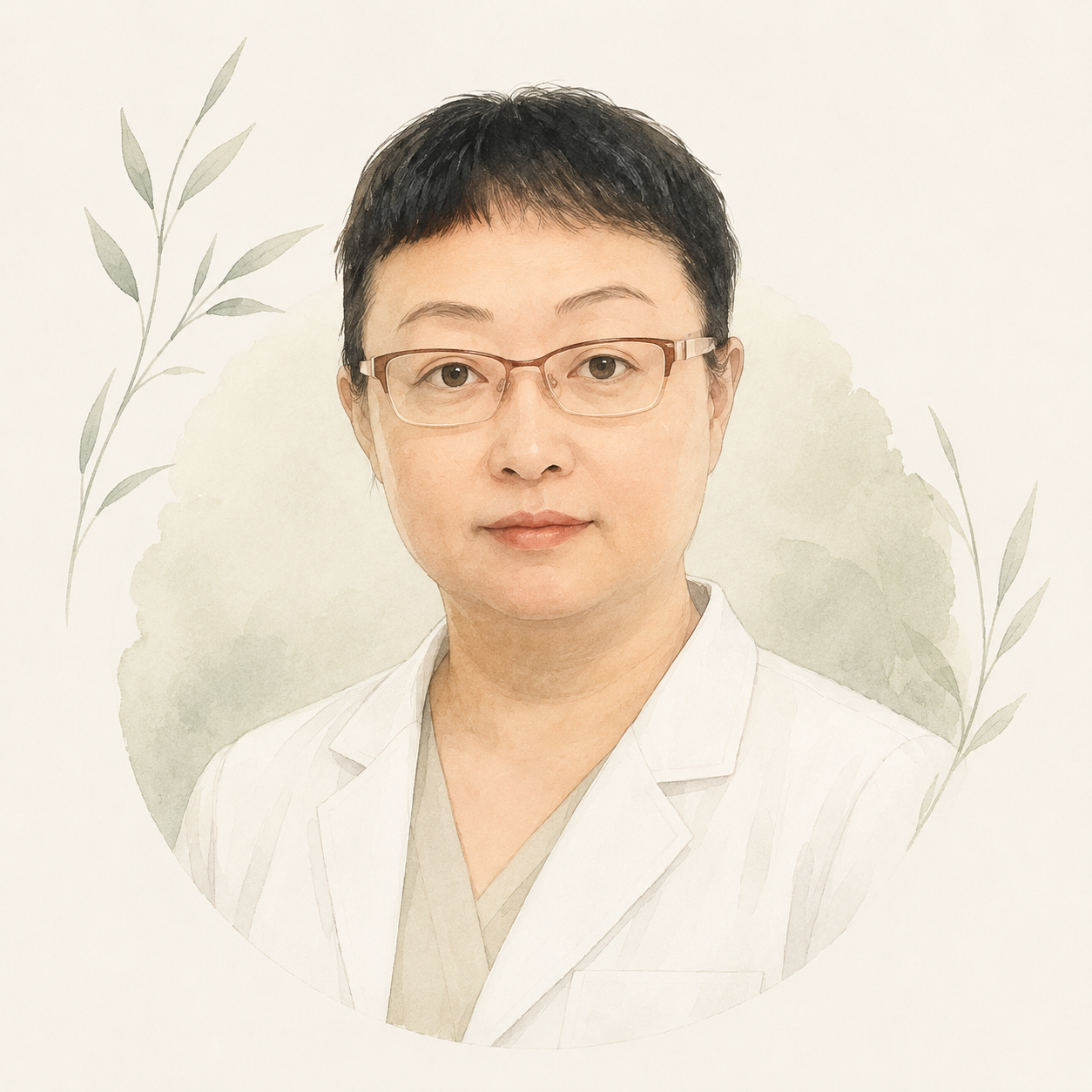
Written for AcuLife Wellness. Practitioner: Hong Ji, R.TCM.P.
Have Questions About Your Care?
Book an appointment with AcuLife Wellness.